
By recognizing the impairments in communication skills and being mindful of the potential for increased conflict and arguments, individuals can take proactive steps to enhance communication and strengthen their relationships. Individual therapy provides a safe and supportive space to explore the underlying causes of alcohol abuse, develop coping mechanisms, and address any co-occurring mental health conditions. Repairing relationships that may have been damaged by alcohol is an essential part of healing. Be willing to apologize for past behaviors and demonstrate your commitment to positive change. Let your friends and family know how they can support you as you work through this process.

Making some changes
Initiatives like the National Domestic Violence Hotline offer crucial support, demonstrating the need for continued awareness and prevention efforts. The Daily Drinking Questionnaire (DDQ; Collins, Parks, & Marlatt, 1985) was used to measure number of drinks per week. Participants were asked to consider their drinking during the past month and to fill in the average number of standard drinks (e.g., 12 oz. beer, 5 oz. wine, 1.5 oz. liquor) consumed for each day of the week. Final scores represent the average number of drinks consumed for each week of the past month.
Steps Toward Recovery and Healing Together

One of the notable effects of alcohol on relationships is the impairment of communication skills. Alcohol acts as a central nervous system depressant, affecting cognitive function and inhibiting clear and effective communication. Under the influence of alcohol, individuals may experience difficulties expressing alcohol and relationships themselves clearly, articulating thoughts, and maintaining coherent conversations. But with the right support and resources, individuals and families can overcome alcohol’s impact and build healthier, more fulfilling relationships.
How can I tell if my partner has a drinking problem?
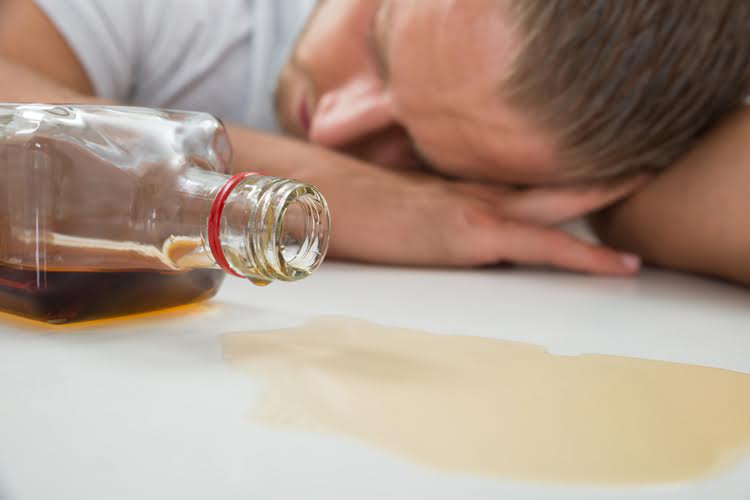
One should always remember that alcoholism is not a bad habit, but a real disease. This means that all hurtful words and reproaches said by an alcoholic should not be taken personally. One must be prepared for the fact that the alcohol addict will lie and make impossible promises. If living with an alcoholic is not detrimental to your health, it is important to keep yourself in love with him or her. Therefore, the consequences of a relationship with an alcoholic without timely treatment measures are always the same. If drinking is now part of your past, there are steps you can take to stay sober and avoid a relapse.
This not only affects the immediate safety and well-being of partners but also has long-term health implications, including mental health disorders like depression and anxiety. The current research evaluates how relationship satisfaction and commitment vary as a function of partner drinking and perceptions of partner drinking as problematic. Previous research shows that even when controlling for one’s own problematic drinking, one’s partner’s problematic drinking predicts relationship outcomes (e.g., Cranford et al., 2011).
- One of the most telling signs is when alcohol becomes the third party in your relationship.
- It can lead to emotional disconnection and heightened emotional reactions, which can strain and damage the bond between partners.
Tips on How to Handle a Relationship with an Alcoholic
At New Breath Recovery, we offer personalized drug and alcohol addiction treatment options tailored to each patient’s unique condition and needs. A study by Kajol V Sontate and his team on the relationship between alcoholism and various forms of violence claims a direct link between alcohol and domestic violence. For example, about 2/3 of all incidents reported to the police involved violence by an intoxicated partner. Joining the sober curious movement or modifying drinking habits is a lot easier if you have the tools to do so.
- Alcohol can have significant negative effects on relationships, including communication breakdowns, conflicts, trust issues, and emotional disconnection.
- Your well-being is the top priority, so please consult a healthcare professional if you think you might be physically dependent.
- Efforts to improve education and implementation of family-inclusive treatments are necessary to mitigate the adverse effects of alcohol on family dynamics.
- Think of them as a safe, knowledgeable starting point for getting the right kind of help for your specific situation.
Alcohol Addiction Support
Partners must work on letting go of codependent behaviors and rebuilding their own identity and self-worth. For family members, the stress of living with someone who has an alcohol addiction can lead to their own mental health issues. Depression, anxiety, and PTSD are not uncommon among partners of alcoholics, particularly if domestic drug addiction abuse has been present in the relationship.
Broken Promises and Trust Issues
Moreover, long-term alcohol abuse can also cause emotional distance and disconnection between partners. The person struggling with alcohol addiction may prioritize drinking over their partner’s needs, leading to feelings of neglect and frustration. Alcohol not only affects physical health but also has a significant impact on mental health. Excessive drinking can lead to anxiety, depression, and other mental health disorders. These issues can further strain relationships as the person struggling with mental health may become distant or irritable. Couples in which a partner abuses drugs or alcohol are often very unhappy; in fact, these partners are often more unhappy than couples who don’t have problems with alcohol or other drugs, but who seek help for marital problems.
However, this does not imply that alcohol is a remedy for depression, as excessive drinking can lead to or exacerbate depression symptoms. However, this is contrasted by findings that link alcohol use with coping behaviors that mediate the association between depression and alcohol consumption. According to a study in PMC, substance use coping behaviors may serve as a critical link between depressive symptoms and alcohol use, potentially leading to major depressive disorder (MDD) and alcohol use disorder (AUD). This suggests that some individuals may use alcohol as a form of self-medication for depressive symptoms, which can escalate into addiction. Unfortunately, people with AUD often find themselves facing a total breakdown of the relationships they value the most, due to their secretive, defensive behaviors. Their spouses or romantic partners may choose to leave because of the lack of communication and trust.